


Jeremy Guscott interview: I would ban celebrating at scrums
Jeremy Guscott interview: I would ban celebrating at scrums

Charles RichardsonSat, August 22, 2026 at 5:00 AM UTC
0
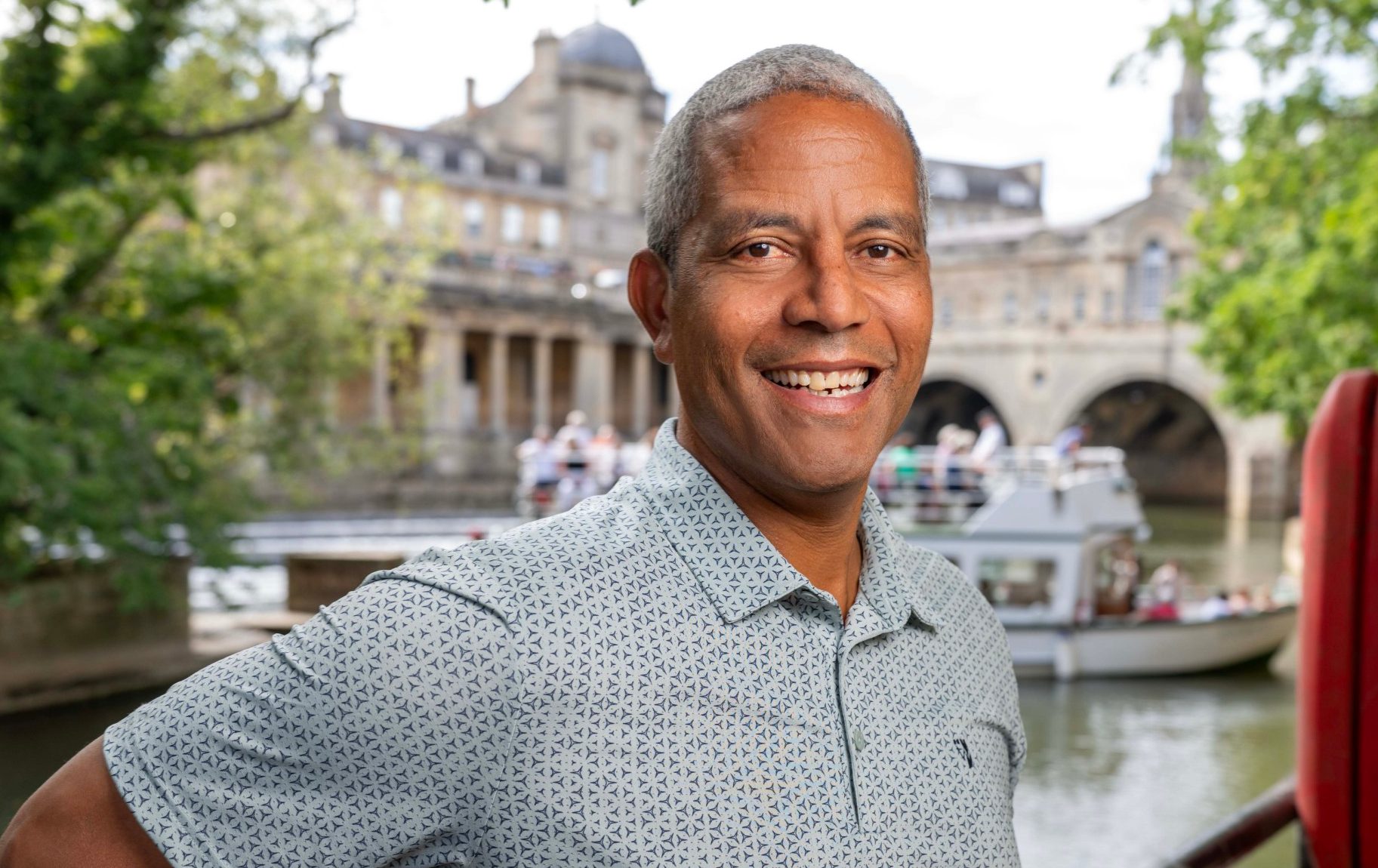
Jeremy Guscott believes Steve Borthwick’s side trail behind South Africa, New Zealand and France ahead of 2027 tournament - Adrian Sherratt for The Telegraph
“He’s not here yet, but you will be at his usual table,” came the greeting at the charming Walcot House in Bath. Of course, they know full well who “he” is; for who in Bath would not know their own Prince of Centres, one of the best to ever do it for both England and the British and Irish Lions, Jeremy Guscott.
As Guscott, aged 61 but not looking a day older than 50, saunters in with the elegance that many will recall from his years in the England midfield, he immediately explains that his notoriety in this particular establishment is because one of his three daughters worked here.
Be that as it may, Guscott – whether through his punditry on the BBC, his legendary rugby career, or his stint as a host of Gladiators in the 1990s – must be one of Bath’s most recognisable faces. He was born here, raised here, became a rugby troubadour here, and still lives here. Something tells me that he might never leave.
“Life moves on so quickly,” Guscott, who won 65 caps for England and another eight for the Lions, tells Telegraph Sport. “I retired from rugby over 25 years ago. I always saw myself as Jerry or Jeremy Guscott. To others, you are the rugby player. Even now, some people remember me from Gladiators. It’s part of your life, you get on with it, and you don’t think any differently. I don’t dislike it or like it. If people remember me for that, I’m happy. I’m an insurance broker and business owner now. If I have to fill in a form, I’m not an ex-rugby player.
“For the past 30 or so years, I’ve been having The Works Lunch – we call it TWL – at Christmas with the likes of Lawrence Dallaglio, Jason Leonard, Ben Clarke, Damian Hopley, Chris Wright, Nick Dyte and Martin Gregory, and that’s great. But you just grow into another life which rugby is not a part of. My best friend is my wife, Saz. I’m into a different part of my life; my eldest daughter got married last year, which was amazing.
“I’ve done a lot of my ‘firsts’. I don’t imagine doing a lot more in however many years are ahead, compared to the first 60 years. I’ve always tried to be me and these are the things I’ve done along the way. My daughters are brilliant. I love friendship and I love catching up with mates on a Friday afternoon for a snack, a drink and a gossip. I love gossip. I’m naturally curious. I don’t think I’ve ever disliked gossip. But I like it to be verified. I don’t like bulls---.”
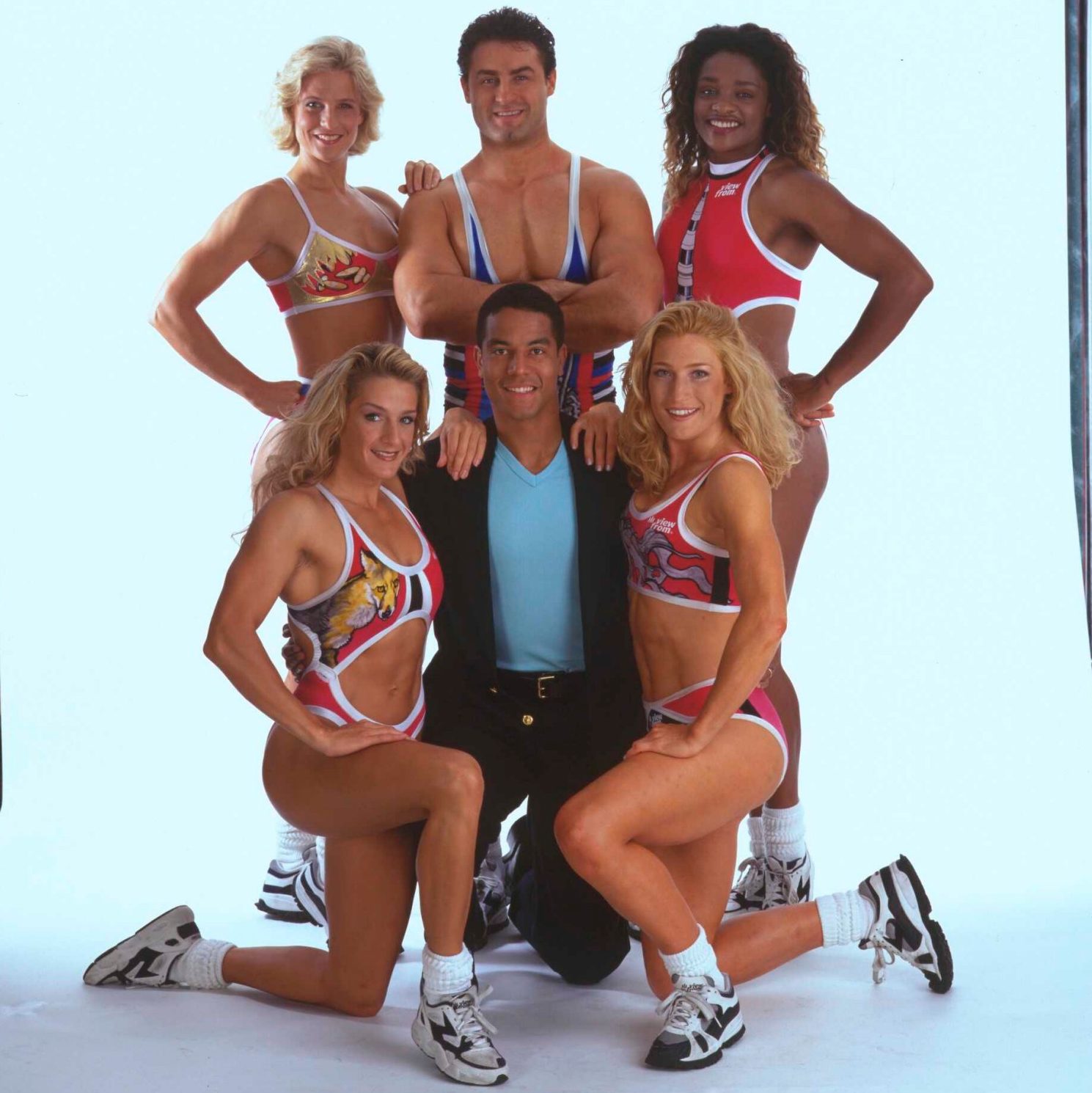
Guscott co-presented Gladiators in the 1997 and 1998 seasons - Mike Lawn/Getty Images
Between 1984 and 2000, there was not much in rugby which Guscott did not win, a World Cup final loss to Australia in 1991 the only blot on the copybook. With Bath, the former outside centre won the league, the domestic cup and the Heineken Cup, three Grand Slams with England, and two series victories – and another narrow loss – with the Lions. It is for that reason, when I ask about favourite tours, team-mates, moments, tries, toughest opponents, best captains, that he shoulders arms.
Guscott played in one of England’s great club sides during an era in which, to begin with, his team-mates were mostly from the local area and still working in it; in his later playing days, the sport had turned professional, bulwarked by the glitz and glamour of money, and he was still winning trophies for club, country and the Lions. All different, all special.
“You couldn’t beat winning a John Player or Pilkington Cup with guys who were amateurs, training twice a week, whom you saw a lot of and who were mates, too,” Guscott says. “Then, when you won something, it was f------ mind-blowing.
“There is no favourite team-mate, but I loved sharing a room with [scrum-half] Richard Hill. I got on well with Hilly. I got drunk one time on a trip to Lanzarote and he knocked me out, but that never changed my opinion of him. I had so much respect for him. I remember, in 1991, I felt my fitness was not good and he was the fittest back in our team. He lived up the road from me and I trained with him for a long time and he got me fit. He did not have to, but that’s the type of man and person he is.
“I enjoyed pretty much every moment of playing rugby and all it had to give me, and all I had to give it. Rugby was part of my life and I happened to be a part of it in an era when I got into the teams that were successful, and I made a contribution. That’s all you can ask someone to do. When you have the ball you can either run, pass or kick; don’t overthink it and make a good decision. I played in a successful period. Bath won a lot, England won a lot and the Lions won a lot. I could have been born in a totally different era and had zero success. I was fortunate in that sense.”
For toughest opponent, Guscott does name-check a few – Tim Horan, Scott Gibbs, Frank Bunce, Scott Hastings – but not convincingly.
“I got Philippe Sella at the end of his career, but he still tackled like a runaway train,” he says. “If you had asked me age 35, I could have given you a much better answer.
“I played rugby to get on the ball. Steve Borthwick would probably sack me because I’d moan all the time. ‘I want the ball, what’s the point of me being here if not?’ And I’d say it. I played in a club side that used every single bit of its ability.
“Most of the time with Bath I knew that if we played our best we would win. That was an amazing feeling. With England, the same. With the Lions, I always thought we were invincible. I remember the dinner in 1997 where Louis Luyt [South African Rugby Union president] said he didn’t know what we were doing there and that we didn’t stand a chance against the world champions.
“I remember looking around and thinking: ‘This guy must be blind.’ There was too much talent there not to give it a good crack. I always felt like that with Bath. It’s not like that with England now. Right now, no one would bet on them to win the World Cup.”
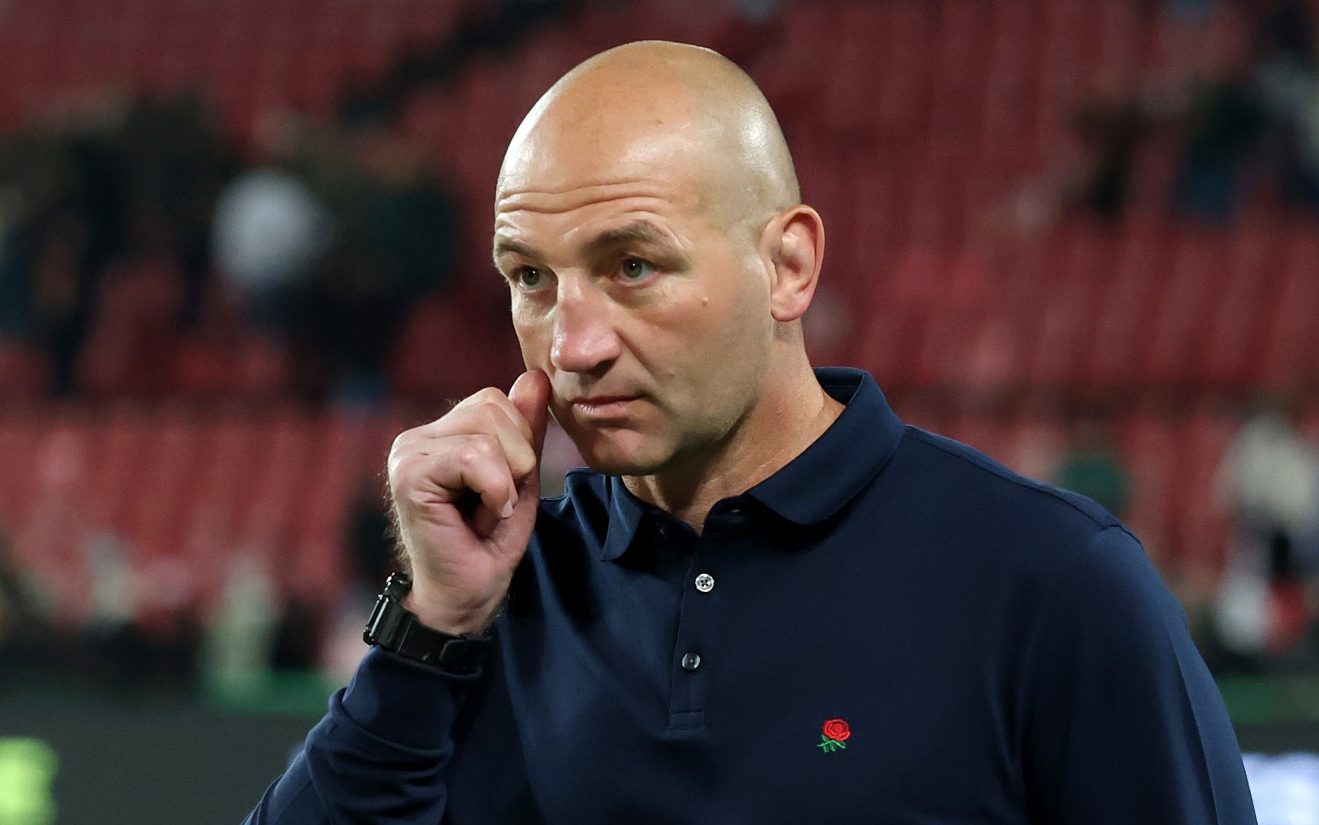
England head coach Steve Borthwick is under pressure heading into next year’s World Cup - David Rogers/Getty Images
Before Guscott lays into England’s current state – with the centres, coaches, Henry Pollock and more all victims of his customary forthrightness – he has a bone to pick which fuses Twickenham’s past with its present. Guscott will never lose touch with those with whom he won so much – he still catches up with Will Carling, his midfield partner for an England record 44 appearances – but the conversations are different now. They are about life, work, children, relationships, not tactics or team selection. As a collective, Guscott wishes they would happen more frequently.
“If there is one thing England have been c--p at,” he says, “it is reunions. I don’t know how often the Welsh teams who won Grand Slams, or the Irish and Scottish, get a reunion, but I think England are c-p at that. I’ve had two specific Lions reunions. Apart from that, there has been no real England reunions. The only one was just after Covid because of Paul Rendall passing away. That’s been the only time except recently when Rob Andrew organised one at Old Trafford which I couldn’t attend.”
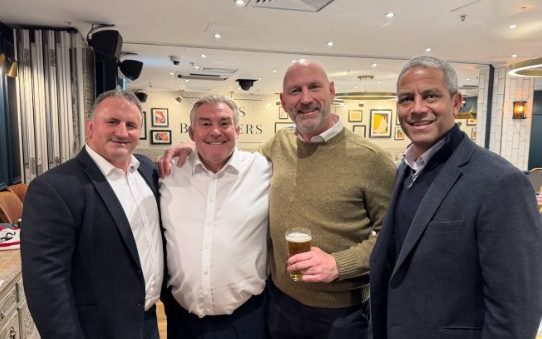
Guscott with his former England team-mates (from left) George Chuter, Jason Leonard and Lawrence Dallaglio in January 2026 - Underthepostsltd/Instagram
The lack of reunions is a bone of contention with Guscott, but the standard of the Prem – and rugby globally – is not. Yet, he pulls no punches when highlighting the areas which need attention. Guscott might have left rugby behind – he even retired from BBC punditry duty in 2021 – but the visceral passion has not departed.
“I cannot wait for the South Africa-New Zealand series,” he says. “If they were at 3am, I’d watch them live – and I didn’t even watch the football World Cup at that time. I think, for a number of reasons, that rugby has never really been in a better place. If you have watched the Prem for the past two seasons, you have been blessed. The rugby has been a notch above what it was. Promotion/relegation is done now, but they could always go back to it!
“Rugby remains an amateur sport predominantly, except for the top two per cent worldwide. Some people might see the Prem scorelines and think of the old Super Rugby, but the attack is just very good. If in 18 months’ time, with franchising, the Prem clubs have more investment, then we will be in a much better position.
“The only thing that might destabilise it – this is quite radical and the players won’t like me – is players’ wages. If I were a player, I’d want as much money as quickly as possible. But, as a business owner, the salaries are not sustainable. They are the wrong side of where they should be – 100 per cent. Pollock’s million is laughable. But, why wouldn’t you say that? I would have done that when I was playing. In terms of a percentage of income, rugby salaries take up too much. It is unsustainable. Just cut it. Sorry.
Advertisement
“Oh, and if I could get rid of one thing in rugby – actually, it would need to be more than one! – then it would be celebrating after winning a scrum penalty or a knock-on. What the f---? It ought to be banned. A pat on your back for doing your job? Mickey Skinner [former England flanker] always used to be in the celebrations for tries and I always used to ask why that was. He was always 20 metres away! ‘Well,’ he’d say. ‘It’s the only way to get on the TV!’”
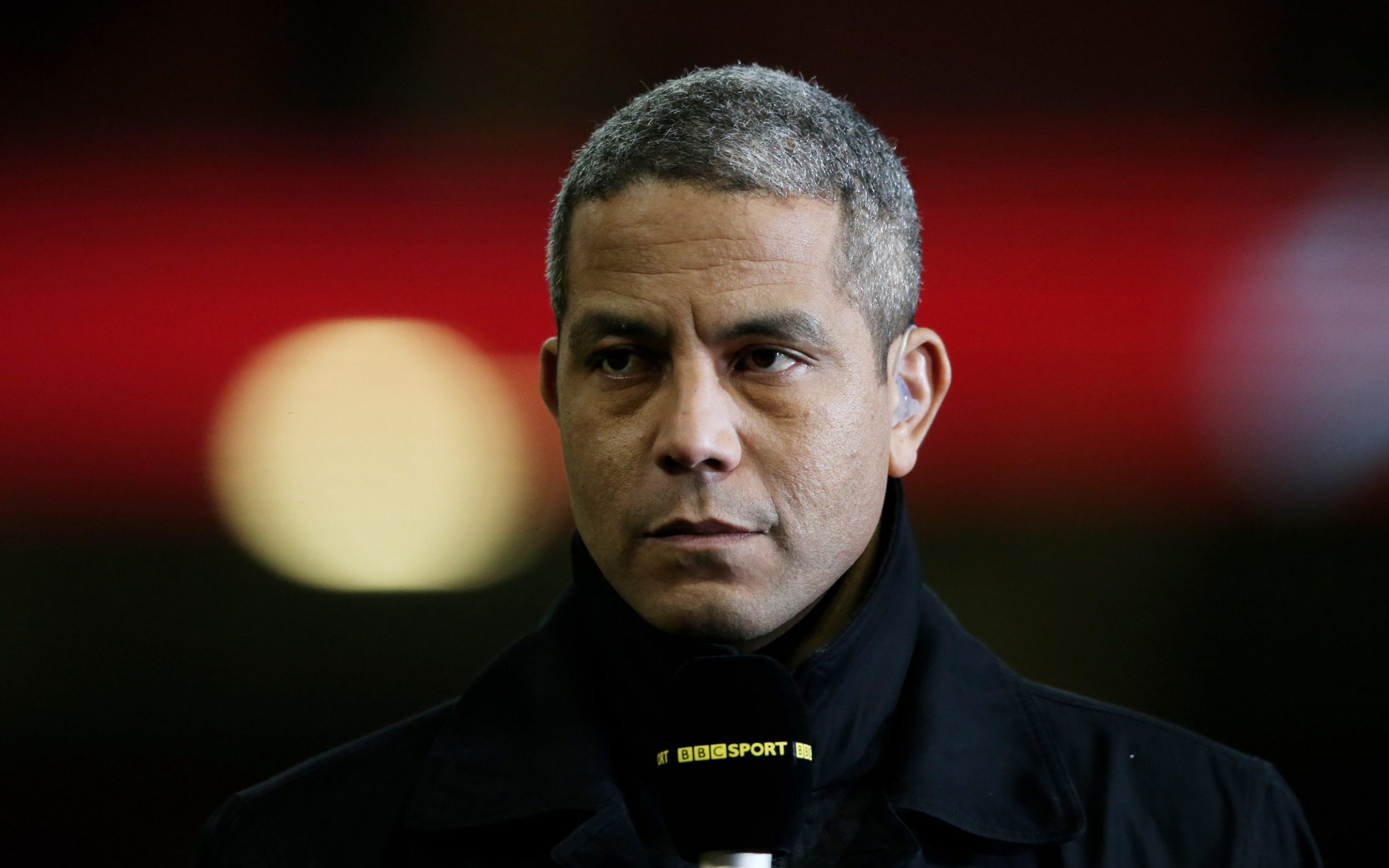
Guscott was a respected voice on the BBC’s rugby coverage for more than 20 years - David Rogers/Getty Images
It is the current position of Borthwick’s England that fires up Guscott the most. Right now, he believes England trail quite significantly his “big three” of South Africa, New Zealand and France. England would not be considered “overwhelming favourites” against any of Scotland, Ireland, or Argentina in the knockout stages of next year’s World Cup, he says.
“I think for England to properly succeed at the next World Cup, Borthwick needs to let Lee Blackett have more of an influence,” Guscott says. “We’ve not seen the Blackett imprint yet, other than in the first half against Argentina and against France. If we don’t see it soon then what’s the point in having him there?
“If England were to play France, South Africa or New Zealand currently, they would find it hard to win. We are only surmising, we don’t know, but I just hope they are not playing to numbers. ‘When we are x far ahead, the statistics say that if you do this, this and this then you’ll lose.’
“In football it happens, too; teams stop playing. Why? If you’re two scores ahead, get three; if you’re three ahead, get four; four, get five. I get it if it’s close, if there’s one score in it and you’re ahead with 10 minutes to go, why take the risk? But, with a whole half to go, bury them! I look at England sometimes and I think: ‘How many of them are enjoying playing? How much say are they having in it?’
“You’re almost not sure which England team are going to turn up. It was always about not knowing which French team would turn up, but at least you knew it would be exciting! England against Ireland at Twickenham earlier this year was a humiliation. Steve can make a difference by picking different players. How long do you continue having faith in a particular player, system or data?
“If you line up those three best teams in the world now, talent-wise, we’re a long way off that. Which England players would get in? I’d argue maybe Chessum, banging on the door of captaincy, Freeman – I was all for the experiment but he should go back to the wing – and Feyi-Waboso. I like how Coles has played, too. The rest... maybe Fin Smith on his day? That’s where they have to get to in a year’s time.
“Coaches used to say to me, whether Bath, England or the Lions: ‘I’ve picked you, now go out and do what you’ve been doing.’ You get the feeling with the current England team that it’s: ‘Go out and do what I told you to do.’ Some of that pack are lucky to be picked, too. If you’re Jamie George or Luke Cowan-Dickie you’re thinking: ‘How much longer have I got?’”
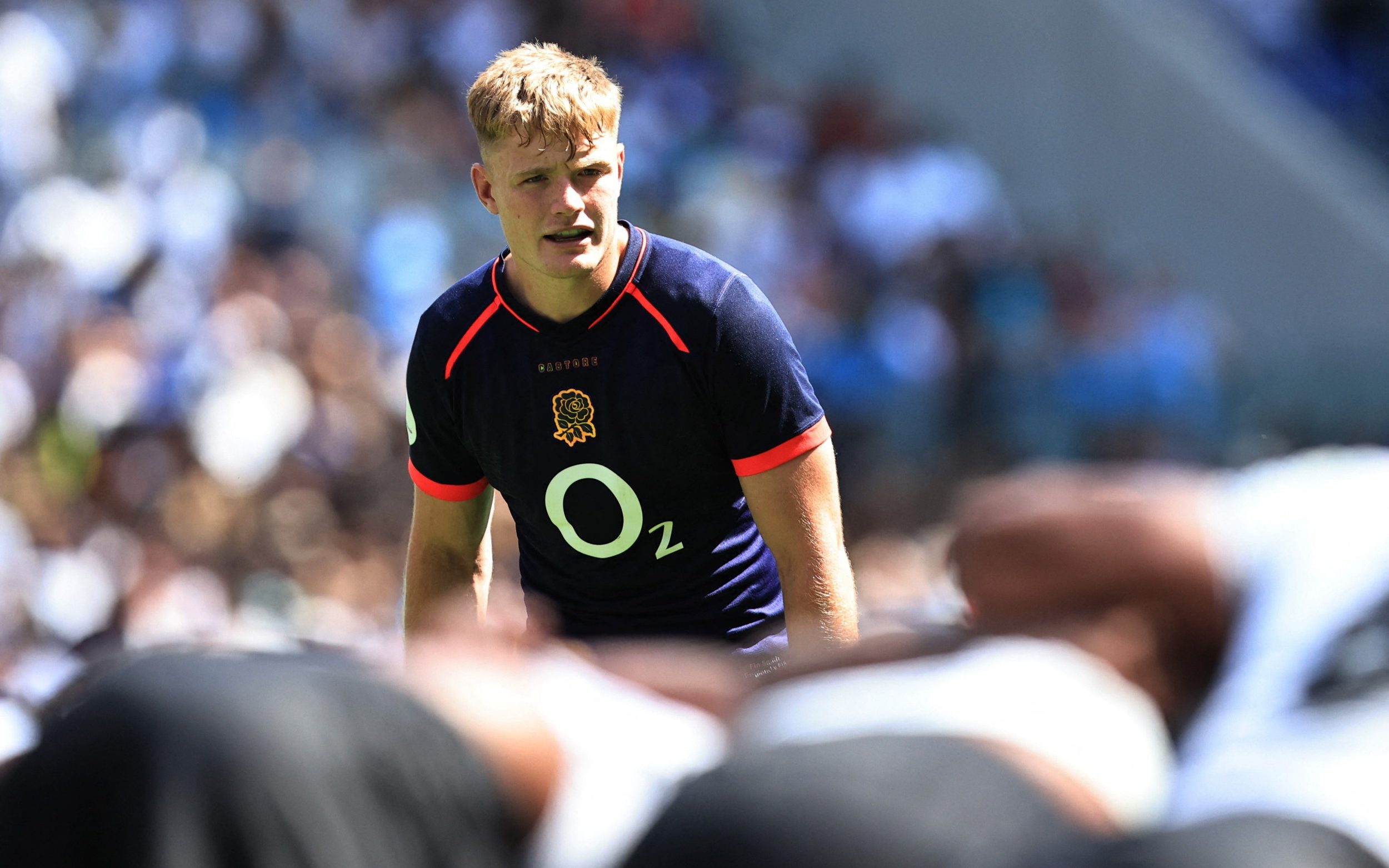
Fin Smith has the No 10 shirt for England and Guscott wants him to keep it - Craig Brough/Reuters
The conversation turns towards the midfield, and who better to cast an expert eye than one of England’s greatest? Fly-half, inside centre, outside centre: three names. It is not as straightforward as that – and Guscott has thoughts.
“I’d love to see Fin Smith put his stamp on it,” he says. “He likes being the conductor. You only have to look at how Northampton play under Sam Vesty. Smith’s not a scyther but he’s a great operator. That’s not a slight on George Ford, who I think is one of the most skilful players that England have ever had.
“I’d have George in the background, maybe not on a central contract, because I think Fin Smith needs to be put under pressure. We have a World Cup to win. And if it starts going wrong, George can come on and drop four drop goals in 10 minutes to win the game. But give the man who deserves the shirt, the shirt, and let him run with it.
“A big decision for me is Max Ojomoh. He played that game for England, against Argentina last autumn, he was player of the match, and he has not had another minute since. I find that staggering. The centres chop and change. There might be data telling Steve what we don’t know, and that might be why we’re not picking him, but why can’t they trust their gut? The data only says what has happened – it categorically cannot predict the future. If someone is playing well, pick them.
“Benhard Janse van Rensburg right now is the topical conversation. Ojomoh and Ollie Lawrence played against him at Bristol and they hardly made an impression – he did. In my book, he deserves his spot, definitely. But I just want Max to have a go, too, and be given the opportunity. But you look at Van Rensburg and if I were against him I’d think: ‘F--- me, that’s a handful. I’ll have to work today.’ But, when Bristol get stuck, he can, too. Ollie Lawrence has so much more, when fit.”
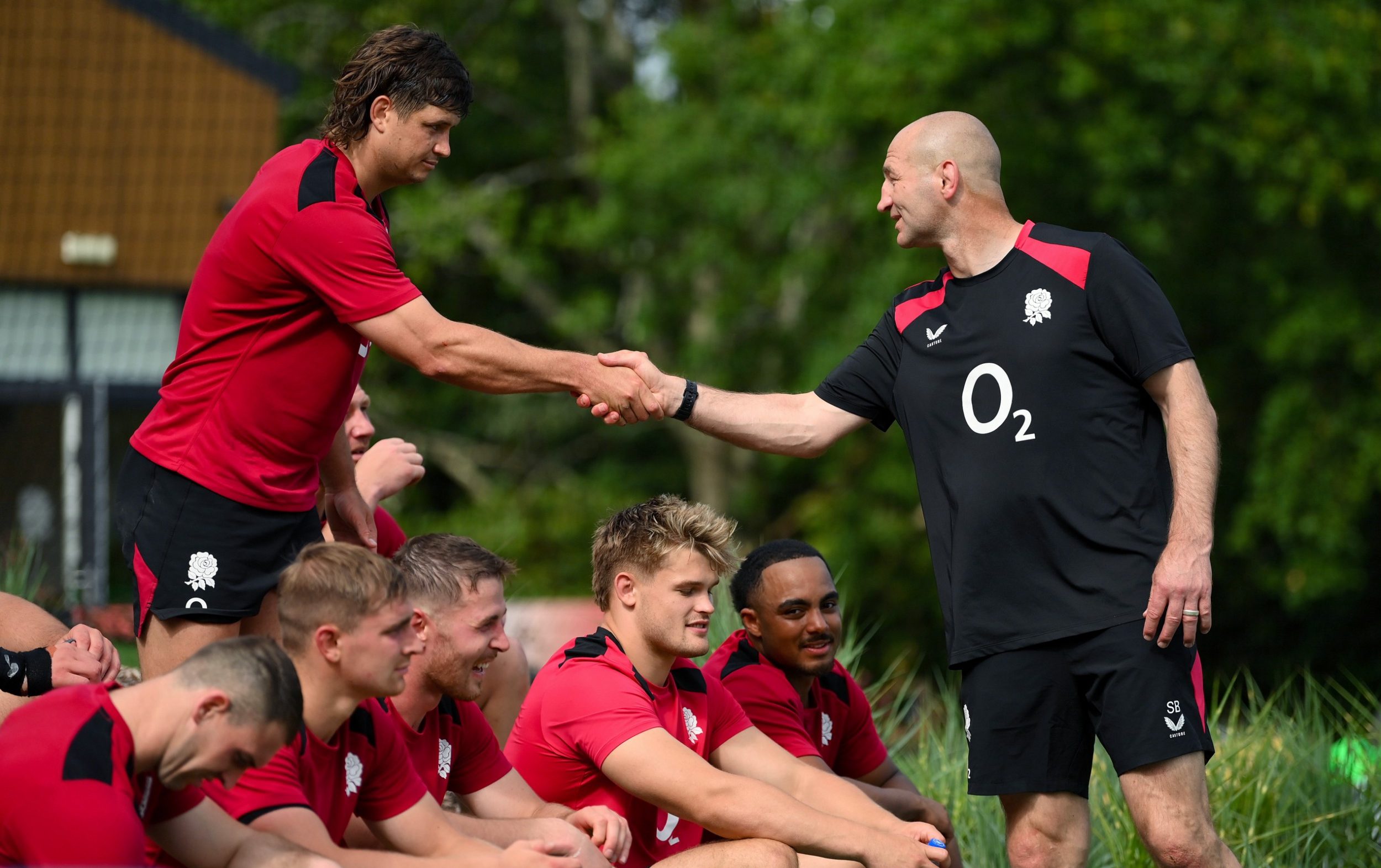
Borthwick has brought Benhard Janse van Rensburg into the England fold to boost his midfield options - Patrick Khachfe/Getty Images
And what about England’s attention lightning rod – good, bad or ugly – in Henry Pollock?
“F--- me, we have not even spoken about him yet,” Guscott says with a smile. “He is awesome. Yes, I would start him. If there were a bigger six and eight, for me, Pollock is an openside. Maybe this is my naivety, but they seem to think that him coming on later in the match, against eight tired players, is an advantage. Maybe it is? Maybe he makes a bigger impression with 25 minutes to go.
“He is 21. He has not lived. But his talent as a rugby player, on the pitch, is unquestionable, and I think he is one of the most gifted players we have ever seen as a seven, as a modern-day back-rower. He has speed; he can pass, tackle, jackal, strong; he can kick and chip. And he puts himself where he gets hurt. He is not afraid of it. He is a breath of fresh air. The gestures are personally not for me but other people like it. For me, it does not show the greatest sportsmanship.”
Guscott the showman is in his element at lunch, holding court on all things rugby for more than an hour, opining on any and every element of the game. So, does he miss it?
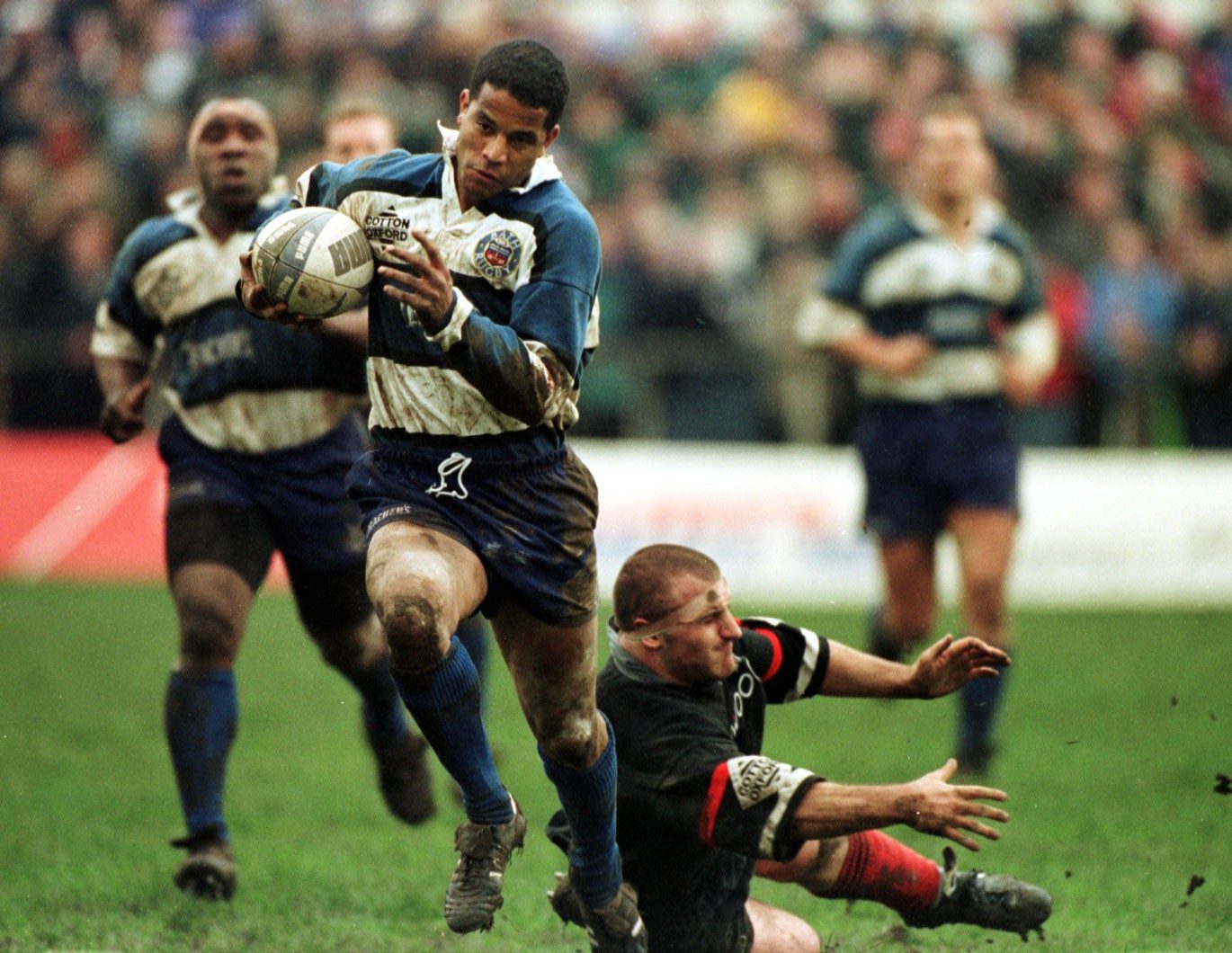
Guscott starred for Bath over several years - Russell Cheyne
“It’s almost an impossible question,” he says. “To say I missed it, for me, would be wrong. Did I enjoy it? Yes, I did. It was fantastic, an amazing part of my life. You have banter all through the week playing rugby and it is pure banter. The closest to it would be building-site banter that I used to have. F------ unforgiving. But you just have to learn. You’d have pressure to perform in training and if you didn’t then you’d get stick.
“You’d go out and play, score a try, miss a tackle, and then you celebrate after, have a drink, go out into town, have a great time, Sunday to recover. Back then, no phone calls to make, no mobile phones. Monday, everyone would be together in training, catching up after Saturday night. I have that now with my friends. Rather than having 30 people in a squad, I have anywhere between three, nine and 10 friends, not from rugby, who I meet on a Friday evening. We laugh at the same things.
“I don’t carry anything: not disappointment nor success. I lost a World Cup final. We had a chance and it did not happen. I want to know what’s next. I’m very much: today, tomorrow, solution. I look forward to days off where I can go a bit numb and watch some TV and not think.
“My sporting future, over the next 20 years, is golf in the summer and padel in the winter. I don’t like over-thinking and I see too many people who carry stuff despite there being nothing they can do about it. It’s happened, gone; learn, and make it better in the future. I don’t know what regrets I have – if any. I enjoy life and I try to enjoy it as much as possible.”
After all those years at the coalface, swerving, jinking and scything to glory, no one could begrudge Guscott that.
Source: “AOL Sports”
