


Could Sean ‘Diddy’ Combs Potentially Face Murder Charges in Tupac Shakur Case? (Exclusive)
Could Sean ‘Diddy’ Combs Potentially Face Murder Charges in Tupac Shakur Case? (Exclusive)

Danielle BacherFri, August 21, 2026 at 6:47 PM UTC
0
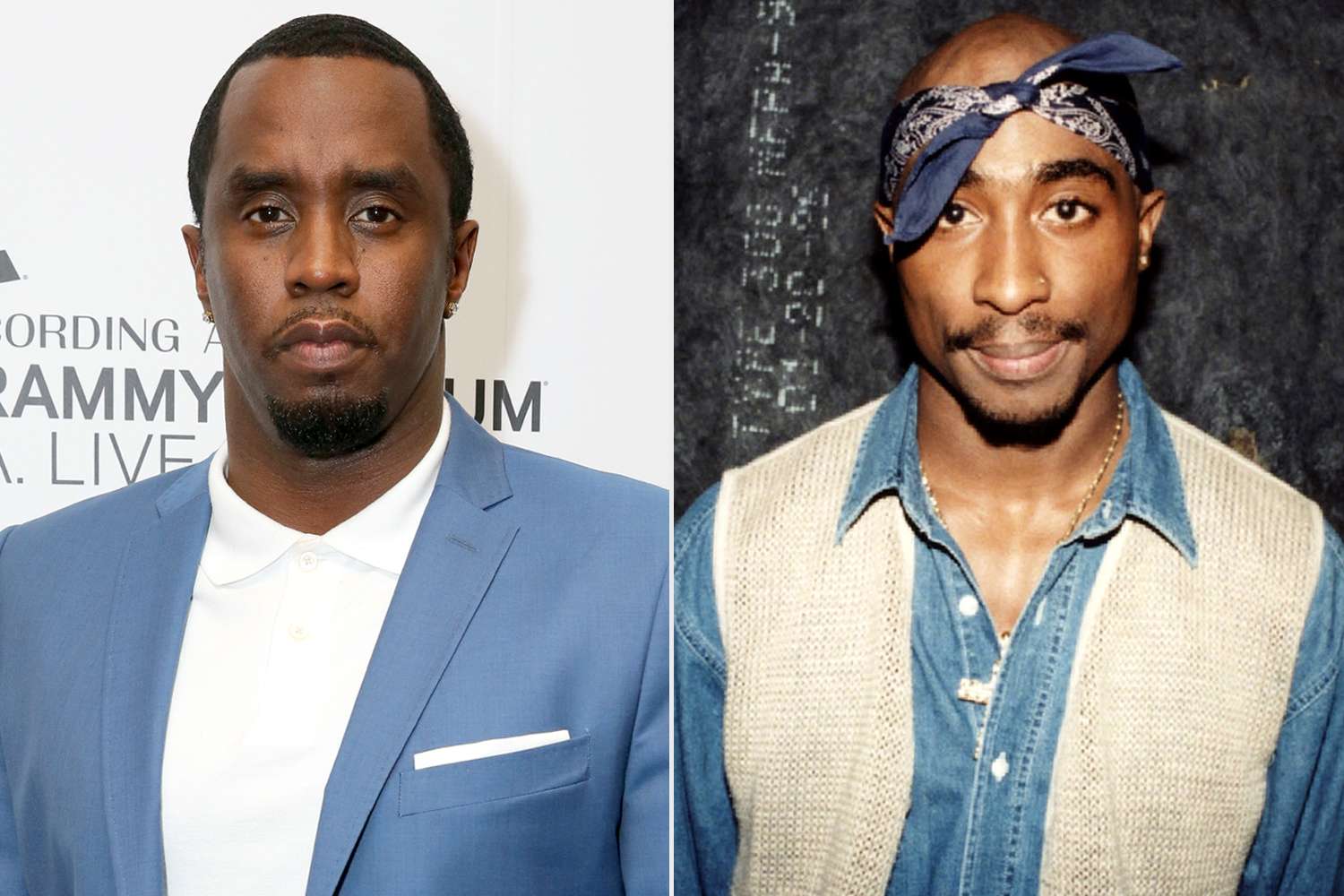
Sean “Diddy” Combs (left) and Tupac Shakur (right).Credit: Rebecca Sapp/WireImage; Raymond Boyd/Getty -
Duane “Keffe D” Davis, who has pleaded not guilty to the murder of Tupac Shakur, is on trial in the decades-old case
Davis’ claims in a 2008 interview that Diddy offered $1 million for the murder are back under scrutiny. Combs has vehemently denied the allegations
Legal expert Neama Rahmani explains why charging Combs could be possible — but difficult
Nearly 30 years after Tupac Shakur was gunned down on the Las Vegas Strip, the murder trial of Duane “Keffe D” Davis is dragging one of hip-hop’s most enduring mysteries back into the light — and putting Sean “Diddy” Combs back in the crosshairs.
Davis is accused of orchestrating Shakur’s killing amid the escalating East Coast-West Coast feud that consumed hip-hop in the 1990s. Prosecutors say Davis sought revenge after his nephew, Orlando Anderson, was allegedly beaten by Shakur and members of his entourage earlier that night.
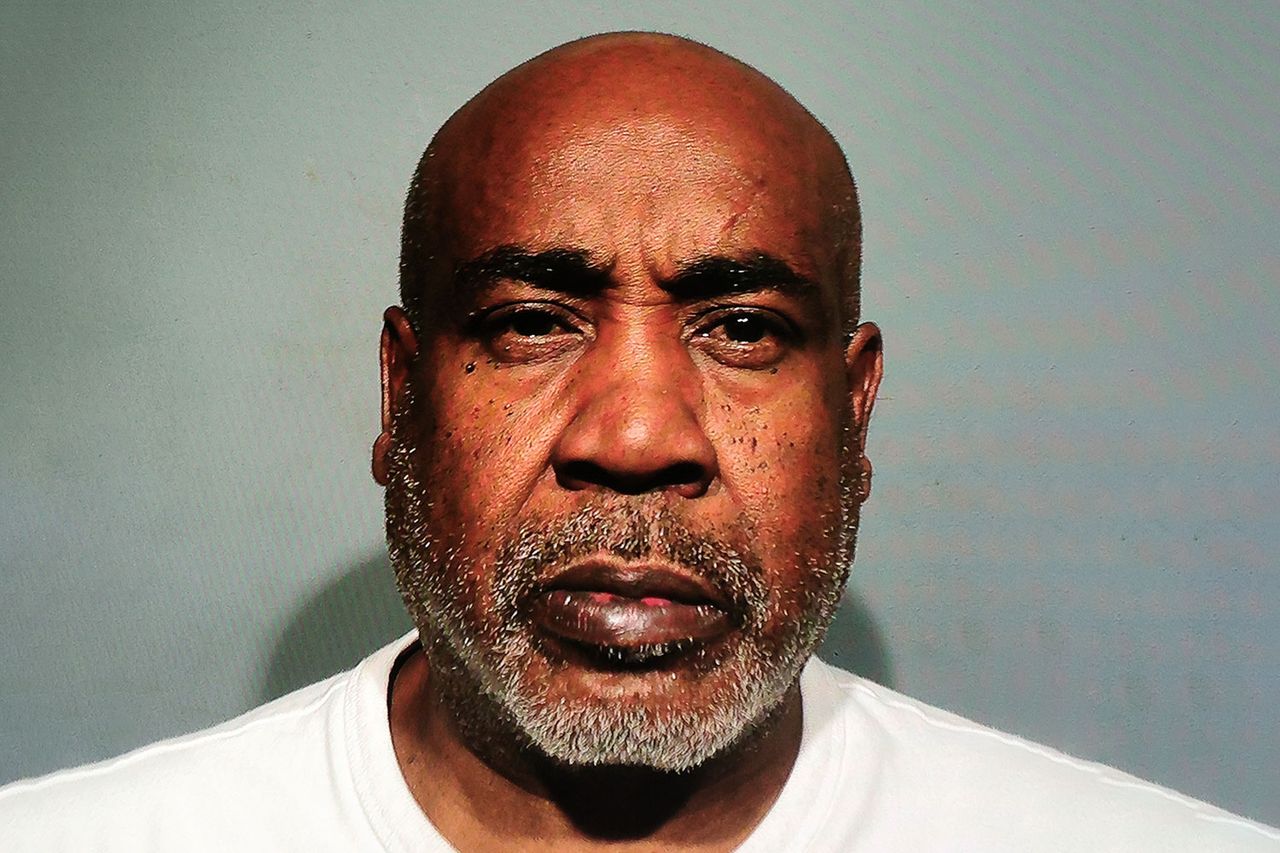
Duane “Keefe D” Davis.Credit: Ethan Miller/Getty
The prosecution’s case rests largely on Davis’ own words.
Over the years, Davis has described his alleged role in the killing in interviews, documentary footage, his memoir Compton Street Legend and secretly recorded conversations with police. Prosecutors allege Davis was riding in the white Cadillac from which the fatal shots were fired and that he handed the gun to the person who ultimately killed Shakur.
Now, Davis says those stories were never true.
His defense attorney, Michael Sanft, told jurors during opening statements that Davis was known to exaggerate and had spent years embellishing his connection to one of the most notorious murders in music history.
At one point, Sanft displayed a slide bearing a single word: “Bull---t.”
But buried within Davis’ many accounts of the killing is an allegation he made in a “proffer” interview with law enforcement that could have consequences far beyond the Las Vegas courtroom: that Combs offered $1 million to have Shakur killed.
“Combs could theoretically be charged for Tupac’s death even if he was nowhere near Las Vegas and never touched the murder weapon. Combs serving time in an unrelated case doesn’t change that,” former federal prosecutor and legal commentator Neama Rahmani tells PEOPLE. “Nevada law allows someone to be prosecuted if he personally commits the crime or if he ‘counsels, encourages, hires, commands, induces or otherwise procures’ someone else to do so.”
Davis’ allegation has never been proven, and Combs has repeatedly denied any involvement in Shakur’s murder, previously dismissing the claims to PEOPLE as “pure fiction and completely ridiculous.”
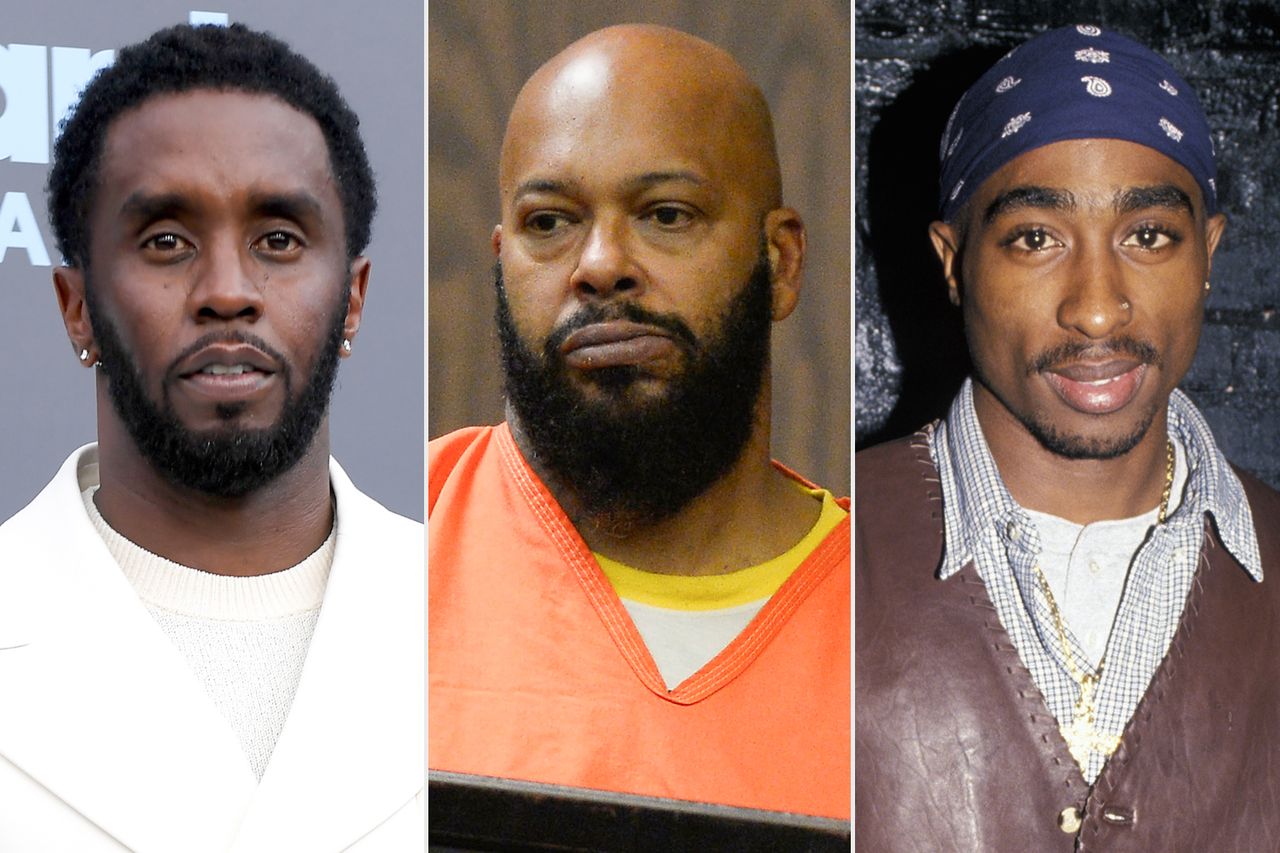
Sean Combs, Suge Knight and Tupac Shakur.Credit: Bryan Steffy/WireImage; Paul Buck-Pool/Getty; Ron Galella Collection/Getty
A DEA and U.S. Department of Justice report detailing a 2008 interview with Davis says he claimed Combs said he “needed to get rid of [Suge] Knight and Shakur” and offered Davis $1 million to “handle the problem,” according to a court filing.
The allegation did not emerge in a vacuum. Years before Davis became the defendant in the Tupac case, it had already become part of a sprawling federal investigation into the murders, rival record labels and the money flowing through hip-hop’s most notorious feud.
Former LAPD Det. Daryn Dupree testified on Feb. 19 and 20 in a Las Vegas court house that he and Det. Greg Kading laid the groundwork for the 2008 interview by first approaching Davis in the garage of his Inland Empire home. At the time, they were investigating the 1997 Los Angeles murder of New York rap legend Christopher Wallace, better known as the Notorious B.I.G. or Biggie Smalls.
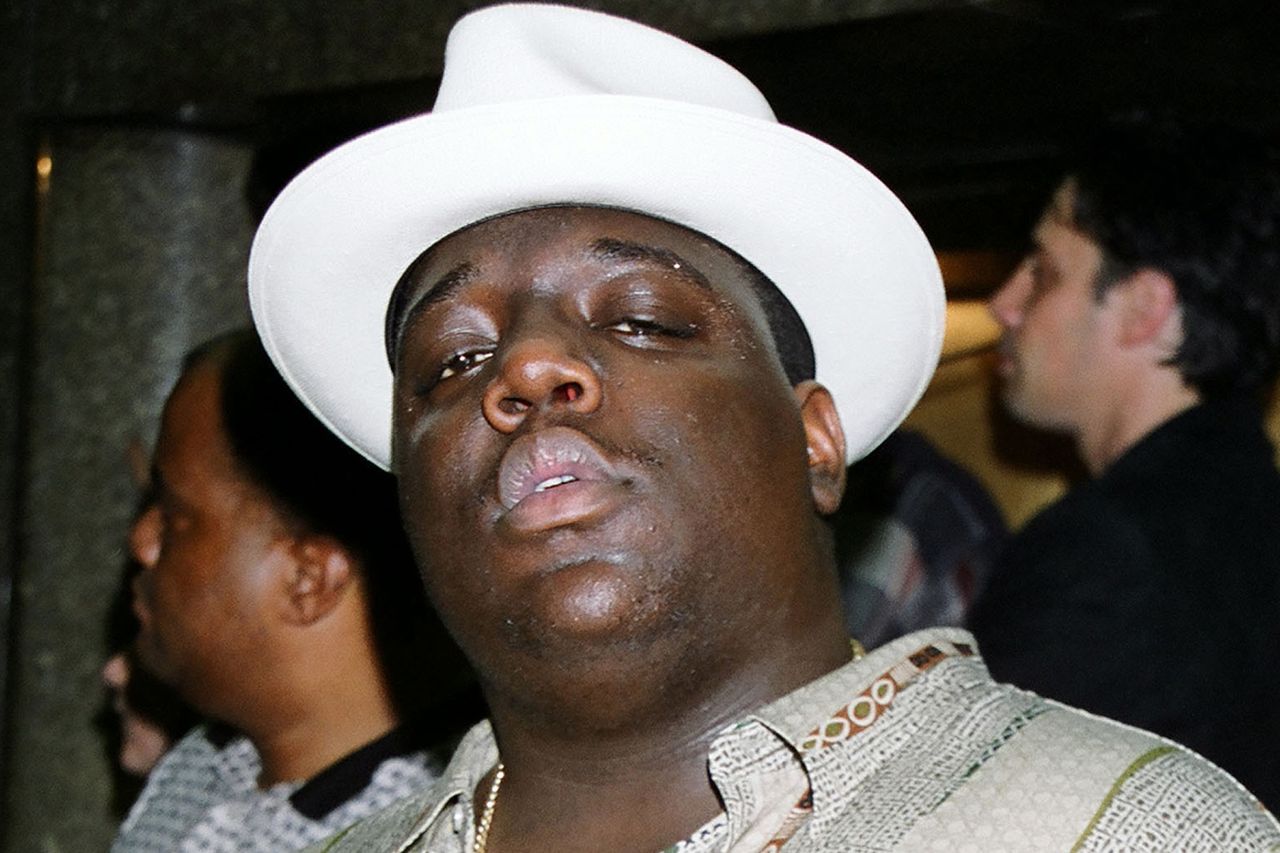
Notorius B.I.G. aka Christopher Wallace.Credit: Jeff Kravitz/FilmMagic
Davis was considered a person of interest because he owned a dark-colored Chevrolet Impala, and investigators believed Wallace’s killer had been riding in a similar vehicle.
Dupree described himself as low on the totem pole of an LAPD task force working with federal agencies, including the FBI, ATF and DEA. He said in court the East Coast-West Coast war between Combs’ Bad Boy Records and Knight’s Death Row Records was a central focus of the investigation.
The task force eventually signed Davis up as a confidential informant in March 2009 and traveled with him to New York. The plan was for Davis to meet Eric “Zip” Martin, an alleged drug trafficker who was identified in court as the person who had introduced Davis to Combs.
Investigators were trying to corroborate claims Davis had made during his proffer — including an allegation that Combs had given money to Martin to pay Davis for Shakur’s murder.
“Sean ‘Puffy’ Combs supposedly had given money to Zip Martin to give to Mr. Davis for payment for the Tupac murder,” Dupree testified. “Fast forward, we go to Mr. Davis, he says he can rekindle that relationship with Zip and get him to talk about the money given from Sean Combs to Mr. Martin that never got to Davis.”
Dupree said the federal investigation was also examining whether the record labels had been financed through narcotics trafficking.
Advertisement
“[They were] trying to solidify that Death Row Records was built on narcotics, and Bad Boy Records,” Dupree told jurors. “I’m from the hood. Everybody knows it was, okay. Everybody knows those record companies were started with the sales of narcotics. So, the feds were looking at a RICO, we cared about the murders. So, this was chasing the money. This was chasing Sean Combs, to see if he was involved in the hit on Mr. Shakur.”
Now, as Davis stands trial, the question is whether a conviction could breathe new life into an allegation that has shadowed Combs for decades.
“If Combs really offered Davis $1 million to kill Tupac and Suge Knight, that is solicitation or murder for hire, conspiracy to commit murder, accomplice to murder, and aiding and abetting murder,” Rahmani says. “The problem is, Combs is even one step further removed from the murder than Davis is. The triggerman is dead and can’t be prosecuted. The Clark County District Attorney is arguing that Davis was the criminal mastermind and shot caller. But the case is 30 years old and based in large part on Davis’s confessions. The defense is arguing that Davis was lying and exaggerating.”
Chief Deputy District Attorney Binu Palal would not confirm to PEOPLE whether prosecutors would pursue charges against Combs based on the outcome of Davis’ trial. But he added: “He is not on the witness list.” Police have not identified Combs as a suspect in Shakur’s killing.
“They’re not calling Combs to the stand because Combs would plead the Fifth and would not testify,” Rahmani suggests. “He didn’t testify in his own case. He wouldn’t testify and potentially incriminate himself in another case.”
Still, Combs’ shadow hangs over the proceedings.
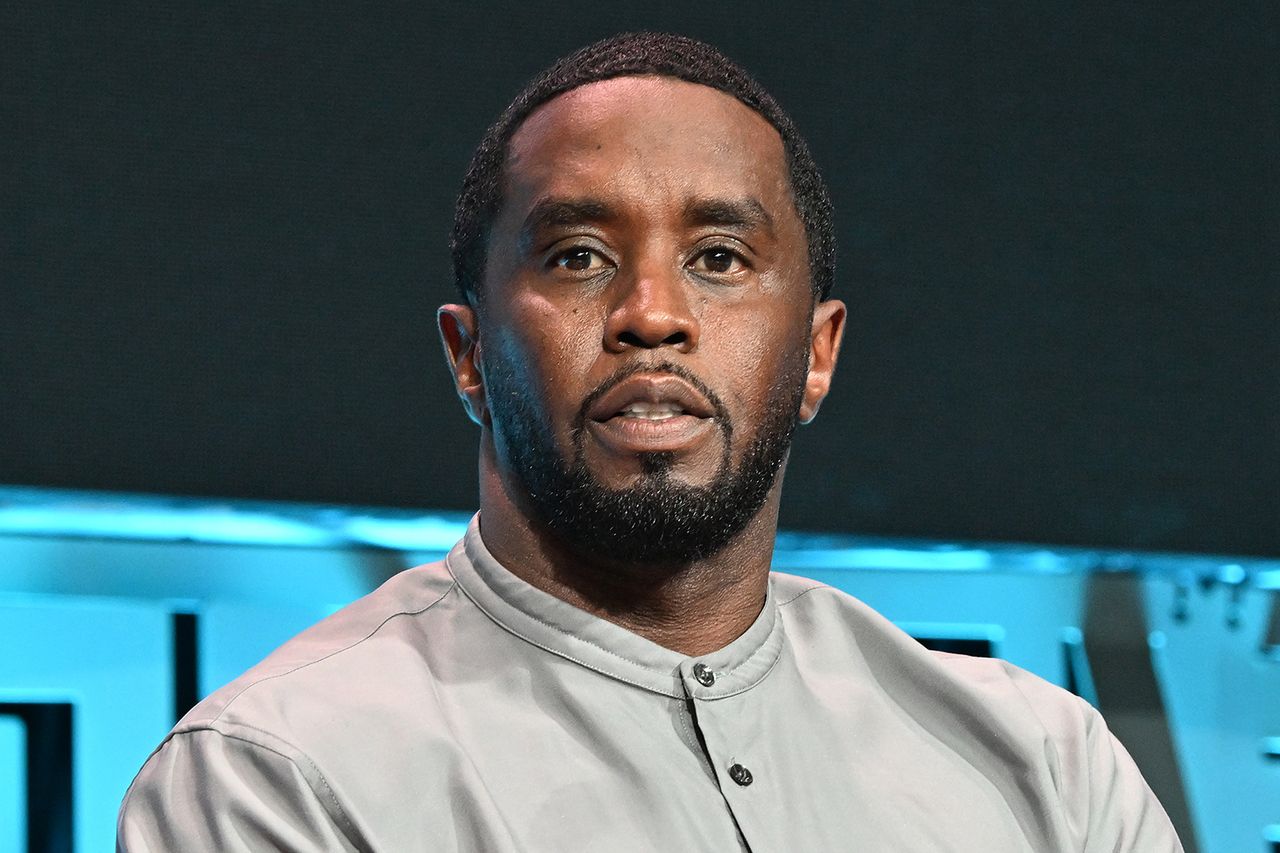
Sean “Diddy” Combs in 2023.Credit: Getty
Palal referenced the music mogul during his opening statement, telling jurors that Combs hired Davis for protection during trips to the West Coast. Palal did not raise the allegation that Combs offered Davis money to kill Shakur.
In 1996, Combs was the powerful New York-based head of Bad Boy Records, while Knight controlled Los Angeles-based Death Row Records. Their labels sat at the center of a bitter musical and personal rivalry that came to define the era.
Want to keep up with the latest crime coverage? Sign up for PEOPLE’s free True Crime newsletter for breaking crime news, ongoing trial coverage and details of intriguing unsolved cases.
For Shakur, the conflict was intensely personal. He believed Combs and his associates had been involved in a 1994 robbery at Quad Recording Studios in New York, where Shakur was shot multiple times. The rivalry only intensified as Shakur publicly accused Bad Boy artists — including Biggie Smalls — of being involved. The release of Wallace’s “Who Shot Ya?” further inflamed tensions, with Shakur interpreting the song as a taunt connected to the shooting, although Wallace and Combs denied any connection to the attack.
In a 2009 interview with police, Davis was asked repeatedly about Combs. Davis claimed Combs had said of Knight, “I’d give anything for that dude[‘s] head.” Davis also claimed Combs was angry about Shakur taunting him.
On Sept. 7, 1996, Shakur and Knight were driving through Las Vegas after attending the Mike Tyson-Bruce Seldon fight at the MGM Grand. After the earlier altercation involving Anderson, a white Cadillac pulled alongside Knight’s BMW at a stoplight near the Las Vegas Strip.
Gunfire erupted.
Shakur, 25, was struck multiple times. He died six days later at University Medical Center.
Six months later, Wallace was killed in a drive-by shooting in Los Angeles. The murders became defining tragedies of the hip-hop era: two superstar rappers on opposite sides of a cultural divide, both gunned down in drive-by shootings that remained unsolved for decades.
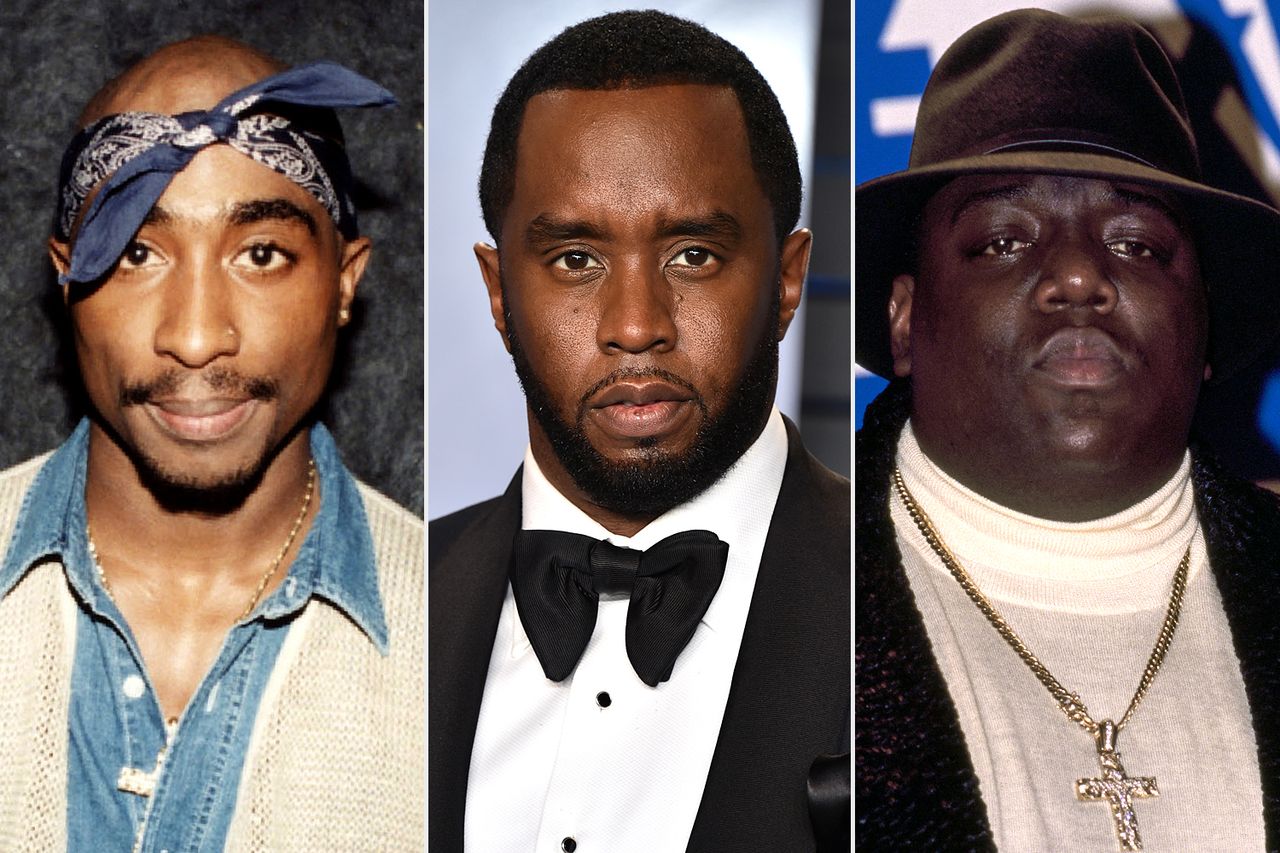
Tupac Shakur, Sean “Diddy” Combs and Biggie Smalls.Credit: Raymond Boyd/Getty; John Shearer/Getty; Larry Busacca/Getty
Davis’ trial is now reopening the chain of events that led to Shakur’s death, with witnesses expected to include people from both sides of the old Death Row-Bad Boy divide. Among them are former associates of Combs, including a former Bad Boy business partner and a former bodyguard. Knight, who was with Shakur when he was shot and is now serving a 28-year prison sentence for a separate hit-and-run conviction, is also expected to testify.
Combs, meanwhile, is serving a 50-month federal prison sentence at New Jersey’s FCI Fort Dix, following his 2025 conviction on two counts of transportation to engage in prostitution. He has vehemently denied any involvement in Shakur’s death.
“To prosecute and convict Combs, the prosecution would need independent evidence to corroborate Davis’s admissions as well as independent evidence that Combs offered to pay Davis a bounty,” Rahmani says. “Without independent witnesses or records showing the agreement or payment, there is no practical way to prove the case beyond a reasonable doubt and any prosecution of Combs would be dead on arrival.”
on People
Source: “AOL Entertainment”
